
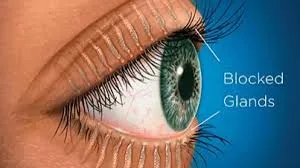
Meibomian Gland Dysfunction (MGD) is a prevalent condition affecting the meibomian glands responsible for producing the crucial oily layer of the tear film. When these glands become obstructed or dysfunctional, it can lead to an insufficient quantity or poor-quality oil, resulting in evaporative dry eye symptoms. Individuals with MGD may experience discomfort, blurry vision, and redness. Recognizing the importance of addressing this underlying cause, our optometric practice offers advanced therapies such as Intense Pulse Light (IPL) to effectively manage and alleviate MGD-related dry eye symptoms.
Dr. Gossan may recommend IPL therapy for patients with MGD. IPL targets inflammation in and around the eyelids, helping to reduce redness and encourage the overall health of the meibomian glands. By combining these advanced therapies, we aim to provide our patients with a comprehensive and tailored approach to effectively manage Meibomian Gland Dysfunction and enhance their overall ocular comfort.
Meibomian Gland Dysfunction (MGD) is the primary cause of dry eye syndrome, one of the world’s most common eye conditions. Symptoms of dry eye syndrome include itching, swelling, and frequent styes and chalazion. Dry eyes often occur when the meibomian glands become clogged or fail to produce the right quantity or quality of oils. If you reside in Palm Beach County and seek an optometrist specializing in dry eye treatment, consider scheduling an appointment at Advanced Dry Eye Care in Boynton Beach.
What are the Meibomian Glands?
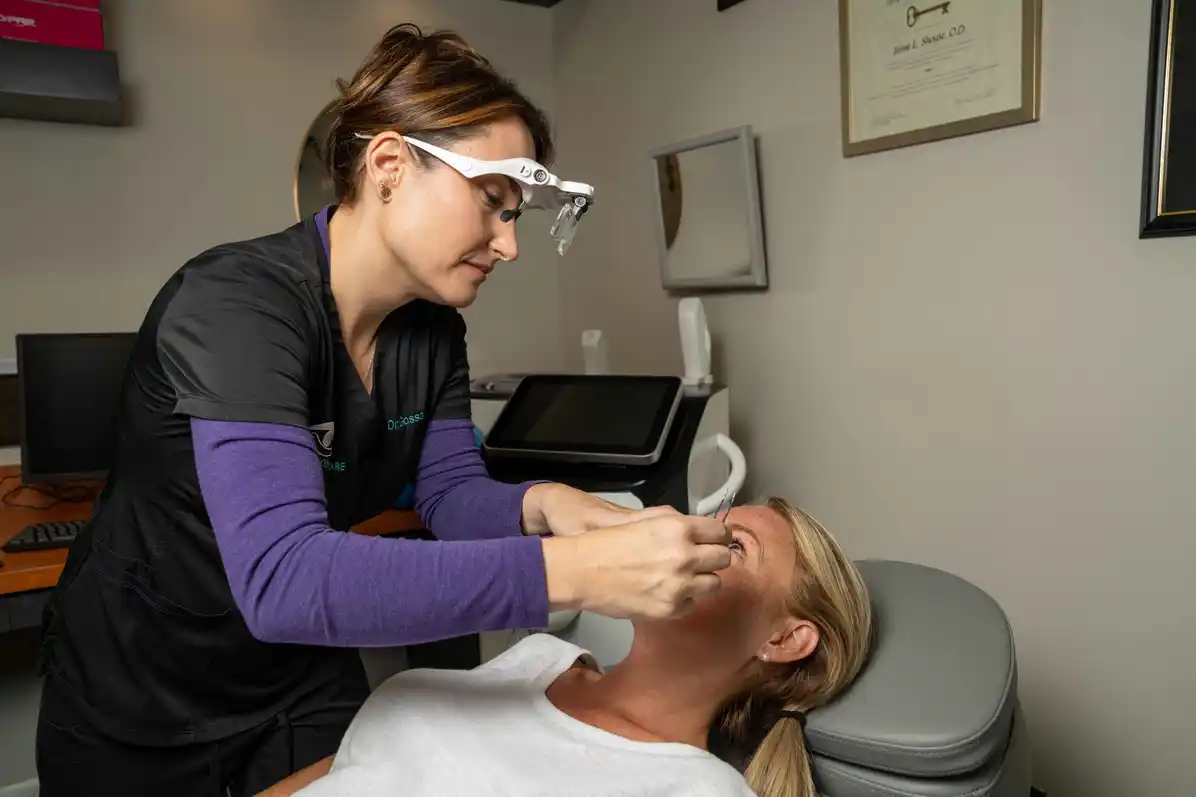
The Meibomian glands are small glands around your eyes that produce meibum, an oil that, when combined with water and mucus, forms the tear film covering the surface of your eyes. The oily meibum constitutes the outermost layer of the film, preventing your eyes from drying out when present in the correct quantity and quality. Meibomian gland dysfunction (MGD) can cause irritation and lead to long-term eye damage when left untreated.
Diagnosing Meibomian Gland Dysfunction (MGD)
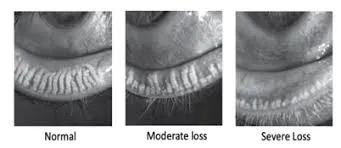
An eye doctor diagnoses MGD by discussing your symptoms with you and performing various tests. These tests may include manipulating your eyes to secrete meibum, placing small strips on your eyes to measure oil and tear production, lab testing a tear sample, or other diagnostic procedures. This comprehensive approach leads to an accurate diagnosis and tailored treatment plan.
Dry Eye Treatment
Treating MGD and dry eye syndrome depends on the underlying causes and severity, often requiring a combination of treatments:
Home Treatments: Mild cases of MGD can be managed at home through self-care practices such as using artificial tears, washing your eyes with mild soap or shampoo, and performing fingertip massages.
Medical Treatments: Medications and adjustments to contact lens prescriptions may provide relief for some individuals. Others may benefit from in-office treatments using tools to warm the eyelids and melt meibum blockages, laser treatments to unclog the glands, or probes inserted into the glands to dislodge blockages.
Seeking Help at Advanced Dry Eye Care
Are you looking for an eye doctor near you? At Advanced Dry Eye Care, we assist individuals in the Palm Beach County area, including Boynton Beach, Wellington, Boca Raton, Del Ray Beach, Lake Worth, West Palm Beach, and Jupiter, FL. Contact us to schedule an appointment with an optometrist specializing in dry eye treatments and MGD relief.